

February is National School-Based Health Care Awareness Month
February is National School-Based Health Care Awareness Month, a time to recognize how bringing healthcare into schools helps students stay healthy, focused, and ready to learn.
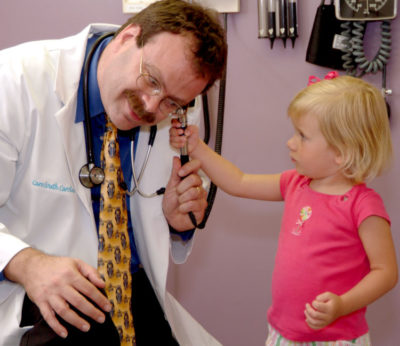
For many families in rural communities, access to routine medical and dental care isn’t always easy. School-based health services help close that gap by meeting students where they are—right at school.
The school-based care program began in 2015 to address the growing need for accessible health services in rural schools. Initially launched in Chesterfield County, the program has since expanded to Lee, Dillon, Marlboro, and Darlington counties. Additionally, CareSouth Carolina’s Miles of Smiles Dental Program provides critical oral health services to children across the region, ensuring that students receive the dental care they need to thrive.
Recognizing the need for even more accessible care, CareSouth Carolina launched its School-Based Telehealth Program in 2021. This innovative service allows students who become sick at school to be seen on-site through telehealth, reducing the burden on parents and guardians who may struggle to secure same-day appointments with primary care providers. By providing timely medical care directly in schools, this program helps cut down on unnecessary urgent care visits and emergency room trips for illnesses that can be treated quickly via telehealth.
"As a community-based healthcare provider, we are committed to ensuring that every child has access to quality healthcare, regardless of where they live," said Kaitlin Hughes, Director of Mobile and Telehealth Services at CareSouth Carolina. "School-based health programs remove barriers to care, allowing students to stay healthy, focused, and ready to learn. By bringing healthcare into the school setting—including telehealth services—we can address health concerns early and help students reach their full potential both in and out of the classroom."
Here are a few quick facts about school-based health care:
- School-based health care improves attendance by reducing the need for students to miss school for appointments.
- Early care makes a difference—routine screenings and wellness visits can catch concerns before they become bigger issues.
- Rural communities benefit the most, where access to primary and dental care may be limited.
- Telehealth expands access, allowing students who become sick at school to be evaluated quickly without leaving campus.
- Healthy students learn better, with fewer disruptions caused by untreated medical or dental needs.
CareSouth Carolina remains committed to expanding and strengthening school-based healthcare services so more students can receive the care they need, when and where they need it most. Supporting student health today helps build healthier communities for tomorrow.

Corporate Office:
201 South Fifth Street
Hartsville, SC 29550
843-857-0111
| This health center is a Health Center Program grantee under 42 U.S.C. 254b, and a deemed Public Health Service employee under 42 U.S.C. 233(g)-(n). This health center receives HHS funding and has Federal PHS deemed status with respect to certain health or health-related claims, including medical malpractice claims, for itself and its covered individuals. Privacy Policy |
 |
 |
 |
 |
 |
 |
 |
 |
© 2026 CareSouth Carolina. All Rights Reserved|
Privacy Policy | Website Privacy | Accessibility | SMS Terms of Service | Site by ALINE, A Marketing Company